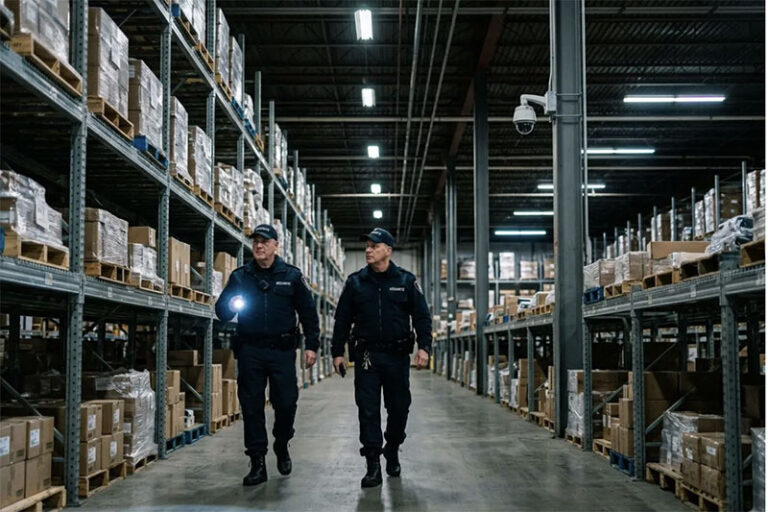
In the world of private investigation, surveillance is one of the most powerful tools available to detectives. It allows them to obtain concrete, visual and chronological information about the behaviour of one or more individuals.
But in what contexts can this method be used? Surveillance may be necessary in a large number of cases. However, situations requiring surveillance demand a high degree of adaptability from the detective, both human and material.
Surveillance: a method that adapts to every situation
Human adaptation
Effective surveillance relies above all on people. Detectives can work alone or in teams, with the option of handing over from one agent to another so as not to arouse suspicion or to cover a specific geographical area completely.
The art of blending into the crowd, changing one’s appearance or behaviour, is an integral part of their expertise. The person being followed must not feel that they are being observed under any circumstances; they must continue their activities as normal without changing their daily routine so that the information gathered can be used.
A practical adaptation
Each surveillance operation is carefully prepared by the investigator, who considers the most appropriate strategy in advance.
Not all surveillance operations require the same set-up. The choice of means of transport is essential. Depending on the context and environment, the detective may opt to follow the target on foot, by bicycle, scooter, motorbike, car or even public transport. This flexibility allows the target to be followed in urban, rural or mixed environments and to blend in with the surroundings as much as possible so as not to arouse suspicion.

Why is surveillance sometimes necessary?
Surveillance is often the only way to confirm or disprove a suspicion, gather tangible evidence, or verify a situation without alerting the person concerned. Here are the main contexts in which it may be used:
In a professional and business context
- Illegal employment: Is an employee working elsewhere illegally? Surveillance can provide proof of this, reveal the nature of their second job and shed light on how it works.
- Unjustified sick leave: Although highly regulated by law, monitoring an employee on sick leave may be justified in certain circumstances.
- Suspected theft of goods within the company: Surveillance can help identify the destination of stolen goods and potential accomplices, thus providing evidence of theft.
- Unfair competition: Is an employee or partner divulging trade secrets to a competitor? In this case, the movements of the suspected employee can be checked. Do they visit a colleague after work? Do they regularly talk to a competitor?
- Suspicious partner: Misappropriation of customers, hidden dual activity, fraudulent behaviour… An investigation can remove doubts and avoid any bad associations.
In the private sphere
- Suspicion of adultery: One of the most common requests in the private sphere is suspicion of adultery. In case of doubt, it is essential to call on a professional investigator who will be able to confirm or refute the suspicions.
- Surveillance of minors: Checking your child’s friends, clearing up doubts about possible unjustified absences from school or checking that your teenager is not engaging in risky behaviour are all reasons that may require the help of a private investigator.
- Alimony and compensatory payments: Does the beneficiary’s actual lifestyle match what they claim? Surveillance can help adjust the amounts paid. Some people deliberately misrepresent their income in order to limit the amount of alimony or compensatory payments they have to pay. It is therefore worth looking into this person’s lifestyle and habits. Do they have an expensive lifestyle (expensive restaurants/hotels/luxury cars/high-end clothing/holidays, etc.) or, on the contrary, does their lifestyle reflect their declared resources?
For local authorities
- Unjustified absences: As in the private sector, some local authorities may resort to surveillance. The detective always acts legally and fairly, in accordance with the law.
- Unauthorised multiple jobs: Is an employee engaged in another activity during working hours? Do they have a third activity that they have not declared to their employer? Is this activity compatible with their duties?
- Illegal dumping: Surveillance can be used, for example, to identify the perpetrators of anti-social or illegal acts and to see where they are illegally dumping their rubbish.
For insurance companies
- Suspicious bodily injury: In cases of suspected false bodily injury claims, surveillance can reveal inconsistencies between statements and actual actions. For example, a person who claims to be unable to work following an accident because they cannot walk without crutches, but who is regularly seen walking for miles without any assistance.
And after the surveillance?

Once the surveillance is complete, the detective provides the client with a detailed, accurate and comprehensive report containing all the facts observed in an objective manner. Very often, photos accompany the file. Depending on the case, this document may be used in court or to make strategic decisions for the future.
Conclusion
Surveillance is an essential investigative tool in a wide variety of contexts, requiring discretion, rigour and adaptability. It also requires good physical condition, patience and extensive field experience. To ensure the reliability and legality of the information obtained, it is strongly recommended that you hire experienced, licensed professional detectives who are capable of adapting to any situation.